
Most people who ask whether they are too old to start lifting weights have already answered the question for themselves before they finish typing it. They assume the answer is a polite but firm "probably." They are wrong, and the reason they are wrong is more interesting than a simple yes or no. Is 40 too old to start lifting weights? No. But the real question is not about age at all. It is about what has actually accumulated over the years, and what that means for how you train now.
The number on your birth certificate is not what is slowing you down. What is slowing you down is the muscle you have quietly lost over the past decade, the sleep you have been shortchanging, the protein you have not been eating, and the sedentary hours that outnumber the active ones. Those are all fixable. Age is not the variable. Lifestyle and muscle loss are.
This Is Not Aging. This Is Muscle Loss.
Here is the reframe that changes how you read the next twenty years. The stiffness, the slower recovery, the body composition that shifted without any dramatic change in what you eat, the loss of strength you chalked up to "just getting older" - most of that is not an inevitable biological tax on being alive past 40. Most of it is the downstream consequence of losing muscle mass, moving less, and recovering poorly. The label we put on it is age. The actual mechanism is something else entirely.
Sarcopenia, the gradual loss of skeletal muscle mass that begins in a person's 30s and accelerates without resistance training, is the single most underappreciated driver of the physical changes people blame on age. Muscle is metabolically expensive tissue. Lose it and your resting metabolism drops. Your insulin sensitivity declines. Your joints lose their primary protection. Your energy goes with it. None of that is written in your DNA as an unavoidable fate past a certain birthday. It is the result of a specific, addressable deficit.
Think of muscle mass the way you would think of a structural load-bearing wall in a building. Remove enough of it gradually over ten years and the whole structure becomes less stable, less efficient, and harder to live in. It looks like the building is getting old. What it actually is, is a building that has had its supports quietly removed. Put the supports back and the function returns. That is not a metaphor about optimism. That is the physiology.
Is 40 Too Old to Start Lifting Weights? Here Is What the Evidence Shows
The research on resistance training and older adults is consistent enough to be called settled in the ways that matter most. Muscle hypertrophy responds to progressive overload at every decade of adult life. Strength improves in older beginners. Body composition shifts. Insulin sensitivity improves. Bone density improves. The magnitude of the changes and the timeline may differ from a 22-year-old's, but the direction and the mechanism are the same.
The hormonal argument comes up constantly: testosterone declines with age, therefore muscle building becomes impossible. This is one of the most overstated half-truths in fitness. A healthy 40-year-old man's testosterone is lower than his 22-year-old level, but it is almost certainly still well within the range required to drive meaningful adaptation to resistance training. More importantly, the lifestyle variables most likely to suppress that hormonal environment are the same variables most people over 40 have never properly addressed: chronic sleep debt, high stress, low protein, and insufficient training stimulus. Fix those first and the hormonal picture changes substantially before any other intervention is needed.
The Protein Question
One specific mechanism worth understanding is anabolic resistance. Past 40, muscle tissue becomes slightly less sensitive to the anabolic signal from dietary protein. This does not mean protein stops working. It means the dose matters more than it used to. Current evidence supports 1.6 to 2.2 grams of protein per kilogram of bodyweight daily for muscle gain. For people over 40, staying toward the upper end of that range is a practical, evidence-backed adjustment, not an extreme measure. Most people who feel like they are training hard and going nowhere are simply not eating enough protein, and this becomes more consequential, not less, as the decades pass.
Repair First, Then Build: The Sequence That Most People Skip
If you are starting or restarting a serious training program in your 40s, the sequence matters as much as the effort. This is not optional and it is not a beginner's detour. It is the actual method.
- Step 1: Audit your recovery before you add more training stress. Sleep quality, sleep duration, and daily non-exercise movement tell you more about your readiness to adapt than any workout plan does.
- → Step 2: Fix the nutrition floor. Total protein, meal timing, and calorie adequacy need to be established before progressive overload can do its job. Training hard in a protein deficit or a significant calorie deficit is asking the body to build with insufficient materials.
- → Step 3: Start with a submaximal load and build the pattern. Connective tissue adapts more slowly than muscle. Coming in at 70 to 75 percent of your working capacity in the first four to six weeks is not timid programming. It is the load that lets tendons and joints catch up with the muscle stimulus.
- → Step 4: Apply progressive overload systematically. More weight, more reps, or more volume over time. This is the only mechanism that drives continued muscle adaptation. It is the same at 42 as it was at 22.
- → Step 5: Protect the recovery window. Sleep is where the actual physiological work of muscle repair and growth happens. No amount of correct training undoes chronic sleep deprivation. This is not a lifestyle tip. It is a biological requirement.
This is not a slower version of the young person's approach. This is the correct approach, period. The 40-year-old who tries to skip steps one, two, and three and jump straight to step four is not training harder. They are training out of sequence, and that is why they keep stalling, getting injured, or burning out within twelve weeks.
Consistency, Not Intensity, Is the Actual Mechanism
One pattern shows up repeatedly with people who restart training in their 40s: they come in too hot. Three weeks of hard training, then an injury, then six weeks off, then another hard start. The cycle repeats and nothing accumulates. This is not a discipline problem. It is a programming problem, and it is fixable.
The goal is not to survive this week's training. The goal is to still be training, better than you are now, twelve months from today.
The physiology of adaptation is cumulative. A session that is 80 percent of your maximum effort, done consistently across a year, produces results that a series of maximum-effort sessions interrupted by injury and recovery never will. This is what The Consistency Pyramid means in practice: the base is showing up, the middle layer is progressive structure, and the peak is intensity. Build from the base. Every time.
Daily movement outside the gym matters more than most people expect. Non-exercise activity, everything from walking to standing to moving around during the day, has a larger influence on metabolic health and body composition than most people give it credit for. A daily step target of 7,000 to 10,000 steps, combined with structured resistance training three to four times per week, creates a very different physiological environment than training alone in an otherwise sedentary day.
Where This Fits in a Real Program: Muscle Mass, Stage 2
Understanding the principle is one thing. Having a structure built around it is another. The APEX standard for Muscle Mass sits at Stage 2, Transformation, because meaningful muscle gain after 40 is not a beginner's outcome and it is not a maintenance goal. It is a deliberate, structured process that requires both the health foundation from Stage 1 and a program specifically built around hypertrophy mechanics, progressive overload, and recovery management.
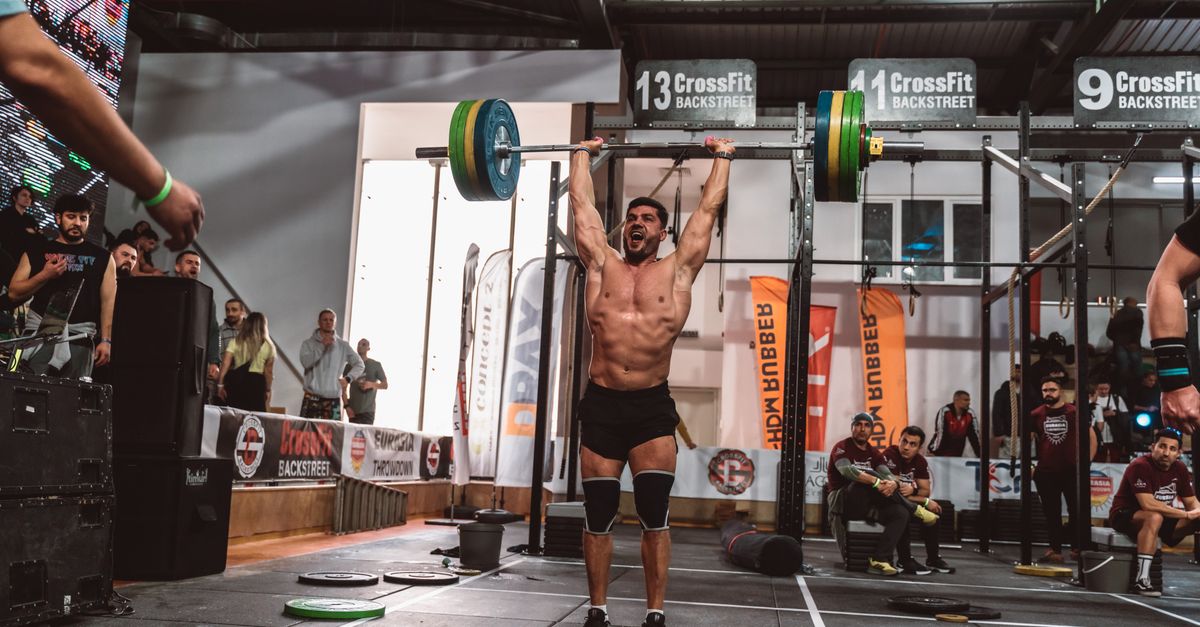
SanoobFit's Muscle Gain program is built around exactly this population: people who are ready to move, who have the consistency to do the work, and who need a plan that respects the real physiology of building muscle past 40 rather than handing them a generic template designed for a 25-year-old. The program accounts for recovery capacity, protein targets, training frequency, and the sequencing principle that repair always comes before load.
If you want individual guidance on where you actually sit right now and what a program built around your specific recovery capacity, training history, and goals would look like, SanoobFit offers a movement assessment and online coaching for people who want to move from reading about this to actually doing it.
You can explore the programs at sanoobfit.com/programs.
The constraint was never your age. It was always the gap between what your body needed and what it was actually getting.
Explore more in our Muscle Building hub.
Work with a coach: one-to-one personal training at home in Dubai.
Related reading: