
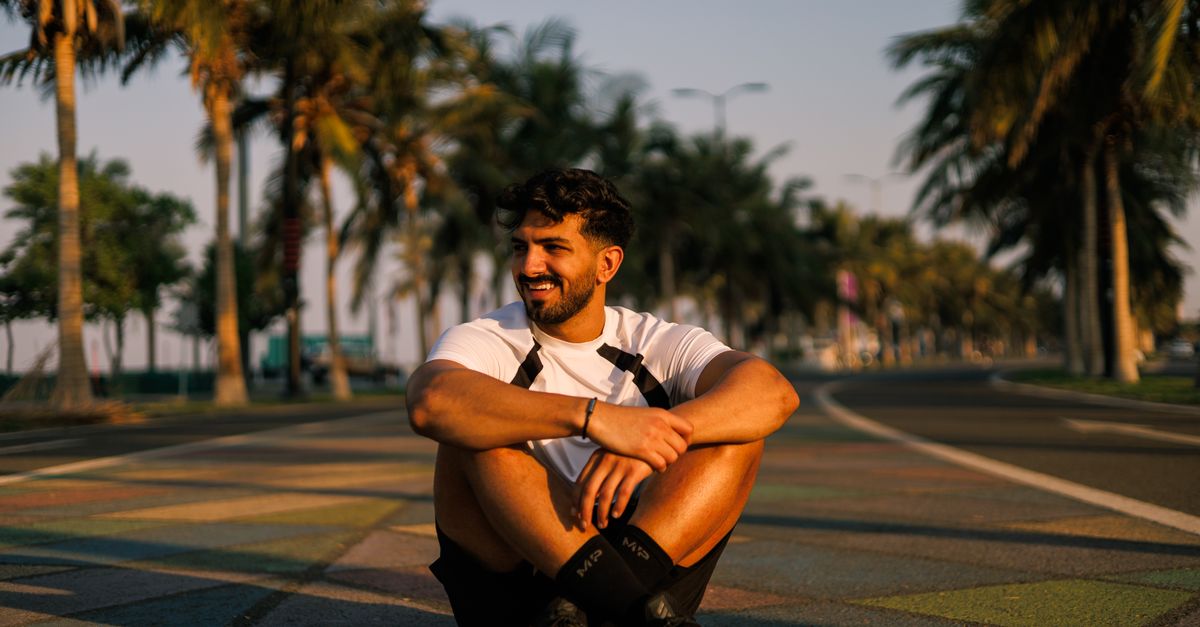
 Personal Trainer Can Help You Recover After Illness">
Recovering from an illness is about more than simply feeling
better. Once your symptoms disappear, your body still needs time to rebuild
strength, improve endurance, and regain mobility. Returning to exercise too
quickly can increase the risk of fatigue, injury, or setbacks, while staying
inactive for too long may slow your recovery.
This is where professional fitness guidance becomes
valuable. A structured recovery plan helps you return to an active lifestyle
safely and confidently. At Sanoobfit, every recovery program is designed
around your current fitness level, health condition, and long-term goals so you
can rebuild your strength step by step.
Why You Shouldn't Rush Back Into Exercise
Many people make the mistake of jumping back into intense
workouts as soon as they feel better. However, your muscles, cardiovascular
system, and energy levels may still be recovering.
Starting too hard can lead to:
- Excessive
fatigue
- Muscle
soreness
- Increased
injury risk
- Reduced
motivation
- Slower
recovery
Instead of focusing on high intensity, the goal should be
gradual progress that allows your body to adapt naturally.
A Personalised Recovery Plan Makes All the Difference
Every person recovers differently. Your age, illness,
fitness history, and overall health all influence how quickly you regain
strength.
A personalised recovery program considers:
- Your
current energy levels
- Previous
fitness experience
- Medical
limitations
- Mobility
and flexibility
- Short-term
and long-term fitness goals
Rather than following generic workout plans found online, a
customised approach helps you recover safely while building confidence.
Regaining Strength Step by Step
Illness often causes temporary muscle loss and reduced
endurance. Even a short break from regular exercise can make everyday
activities feel more challenging.
A structured recovery plan gradually introduces:
- Bodyweight
exercises
- Light
resistance training
- Mobility
work
- Low-impact
cardio
- Core
strengthening
This steady progression helps rebuild muscle strength
without placing unnecessary stress on your body.
Improving Energy Without Overtraining
Feeling tired after illness is completely normal. Instead of
pushing yourself to exhaustion, it's important to balance exercise with proper
recovery.
An effective recovery routine includes:
- Moderate
workout intensity
- Rest
days
- Proper
hydration
- Quality
sleep
- Consistent
progress monitoring
Small improvements each week are far more beneficial than
trying to regain your previous fitness level overnight.
Correct Exercise Technique Prevents Injury
After illness, your body may not move the same way it did
before. Weak muscles and reduced mobility can increase the likelihood of poor
exercise form.
Learning proper movement patterns helps:
- Protect
your joints
- Improve
balance
- Reduce
muscle strain
- Build
confidence during workouts
- Increase
long-term performance
Even simple exercises become more effective when performed
with the correct technique.
Nutrition Supports a Faster Recovery
Exercise is only one part of rebuilding your health. Good
nutrition provides your body with the fuel it needs to repair muscles, restore
energy, and strengthen your immune system.
A balanced recovery diet should include:
- Lean
protein
- Whole
grains
- Fresh
fruits and vegetables
- Healthy
fats
- Plenty
of water
Combining smart nutrition with a structured workout routine
creates the foundation for lasting fitness.
Accountability Keeps You Consistent
One of the biggest challenges after illness is staying
motivated. Missing a few workouts can easily turn into weeks of inactivity.
Regular support and progress tracking help you:
- Stay
committed
- Build
healthy habits
- Celebrate
small victories
- Maintain
confidence
- Reach
your goals steadily
Consistency is often more important than workout intensity
during recovery.
Mental Health Benefits of Returning to Exercise
Physical recovery also supports emotional wellbeing. Regular
movement can help improve mood, reduce stress, and restore confidence after
illness.
As your body becomes stronger, you'll likely notice:
- Better
focus
- Improved
sleep quality
- Higher
energy levels
- Reduced
stress
- Greater
self-confidence
Fitness isn't just about physical transformation it's about
improving your overall quality of life.
When Should You Seek Professional Guidance?
If you've experienced a prolonged illness, surgery, or
extended period of inactivity, professional guidance can help you return to
exercise safely.
Working with a Fitness Trainer in Dubai can provide
personalised advice, structured progression, and ongoing support while reducing
the risk of injury or overtraining.
Why Choose Sanoobfit?
Recovery looks different for everyone, which is why Sanoobfit
focuses on creating personalised fitness programs instead of one-size-fits-all
solutions. Whether your goal is rebuilding strength, improving endurance, or
simply returning to an active lifestyle, every step is planned according to
your individual needs.
With expert online coaching, customised workout plans,
progress tracking, and practical nutrition guidance, Sanoobfit helps you
recover safely while building healthy habits that last long after your recovery
is complete.
Final Thoughts
Recovering after an illness requires patience, consistency,
and the right approach. Trying to do too much too soon can delay progress,
while a gradual and structured plan helps your body regain strength safely.
Whether you're returning after a minor illness or a longer
period of inactivity, Sanoobfit provides personalised support to help
you rebuild your fitness with confidence. By focusing on sustainable progress
rather than quick fixes, you can return stronger, healthier, and ready to
achieve your long-term fitness goals.