
You are training three or four times a week, eating what feels like a lot, and the muscle still is not coming. Most people at this point start doubting their effort, their genetics, or their willpower. But here is what is actually happening: the body is not a motivational problem. It is a chemistry problem. And once you understand what foods help with muscle growth and why they work at the biological level, building muscle stops feeling like a personal test of character and starts feeling like a predictable process you can actually manage.
This article gives you that framework, specifically what to eat, how much, and why the sequence matters more than any single food or supplement.
Muscle Growth Is Biology, Not Discipline
When someone struggles to build muscle despite training hard, the instinct is to assume they are not trying hard enough, not committed enough, or not built for it. This is not a character failure. This is a nutrient gap. Muscle is built through a process called muscle protein synthesis, and that process has specific inputs. When those inputs are missing or misaligned, the output, new muscle tissue, simply does not appear. No amount of effort overrides the chemistry.
Think of it this way: a construction crew can work around the clock, but without the right materials arriving on site, no building goes up. Training is the crew. Food is the materials. Willpower does not build walls.
The three inputs that drive muscle protein synthesis are protein, total calories, and recovery. Get all three consistently right and the biology does the rest. Miss any one of them and the process stalls, regardless of how motivated you feel on any given day.
Most people I coach who are not building muscle are not failing at discipline. They are failing at delivery. The raw materials are either missing, timed badly, or simply not enough to trigger the process.
What Foods Help with Muscle Growth and How Much You Actually Need
Protein is the non-negotiable anchor of any muscle-building nutrition plan. Every protein source you eat is broken down into amino acids, and those amino acids are the literal raw material for new muscle tissue. The body cannot manufacture them from effort or intention.
How much protein
The research supports a daily target of 1.6 to 2.2 grams of protein per kilogram of bodyweight. For an 80 kg person, that is 128 to 176 grams per day. Spreading this across three to four meals keeps amino acid availability consistent and avoids the bottleneck of trying to absorb a single enormous serving.
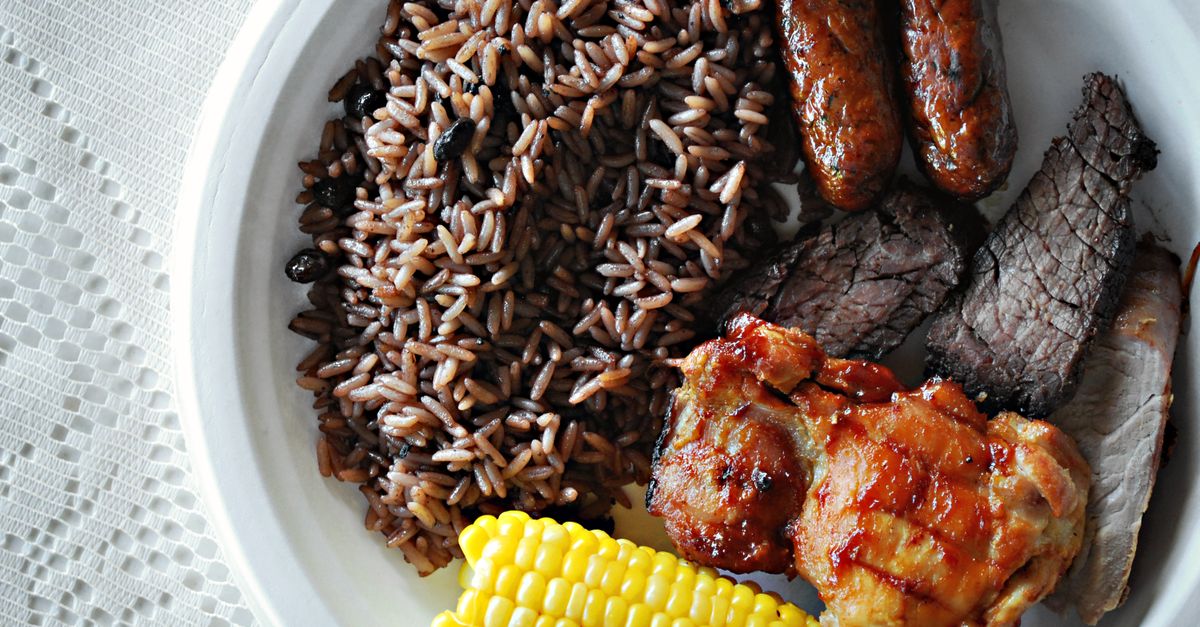
The best food sources are not complicated. Eggs, chicken breast, lean beef, salmon, tuna, Greek yogurt, cottage cheese, and whole milk sit at the top for people who eat animal products. For plant-based eaters, soy products (tofu, tempeh, edamame), lentils, chickpeas, quinoa, and pea protein are the strongest options. The goal is variety across the week, not a single miracle food eaten daily.
The calorie question
Protein without enough total calories does not work. When the body is in a meaningful caloric deficit, it is under pressure to use dietary protein for energy rather than construction. A modest surplus of roughly 200 to 300 calories above your maintenance intake is generally enough to support muscle growth without accumulating excessive fat. Eating far above this tends to add more body fat than muscle for most people, which is a separate problem to unpick later.
The Role of Carbohydrates and Fats in Muscle Nutrition
Carbohydrates are not the enemy of muscle gain. They are actually one of its enablers. Carbohydrates replenish muscle glycogen, the fuel your muscles burn during resistance training. When glycogen is low, training intensity drops, sets feel harder, and the quality of the stimulus that triggers muscle growth is reduced. Cutting carbs aggressively to stay lean while building muscle often produces exactly the flat, low-energy sessions that make progress slower, not faster.
Practical carbohydrate sources worth building into a muscle-gain diet: oats, rice, potatoes, sweet potatoes, whole grain bread, pasta, fruit, and legumes. These also provide fibre, micronutrients, and sustained energy across training days.
Dietary fats matter too, particularly for hormone production. Testosterone and other anabolic hormones are synthesized partly from dietary fat. Dropping fat intake too low, below roughly 20 percent of total calories, can suppress hormones involved in muscle growth. Olive oil, avocado, eggs, fatty fish, and nuts are practical sources that serve multiple functions simultaneously.
The Simple Muscle Nutrition Framework
Rather than tracking every macro with precision from day one, the following structure works well for most beginners and intermediates. Call it The Three-Layer Stack:
- Layer 1, Protein anchor: Build every main meal around a quality protein source, aiming for 30 to 50 grams per sitting across three to four meals daily.
- → Layer 2, Carbohydrate fuel: Add a serving of whole food carbohydrates to support training energy and recovery. Larger portions around training sessions, smaller portions at rest-day meals.
- → Layer 3, Fat and micronutrients: Add a source of healthy fat and at least one vegetable or fruit per meal. This handles hormones, inflammation management, and long-term health without needing a separate plan.
Most people find that once they get Layer 1 consistently right, the rest falls into place more naturally. Protein is the hardest layer to hit without deliberate attention, so it earns the anchor position.
Timing: does it matter?
Post-workout timing is less critical than total daily intake, but it is not irrelevant. Getting a protein-rich meal within one to two hours of training is a good habit, particularly if you trained in a fasted state. A pre-sleep protein source, cottage cheese, Greek yogurt, or a casein-based option, can also support overnight muscle repair, because muscle protein synthesis continues during sleep and the body needs amino acids available to do that work.
Where This Fits in the Bigger Picture: Muscle Mass and Stage 2
Understanding what foods help with muscle growth is a real skill, but food knowledge alone does not produce a body transformation. Nutrition has to be paired with the right training stimulus, appropriate recovery, and a structure that matches where you actually are right now.
In the SanoobFit APEX system, Muscle Mass is one of the core standards assessed across every client. It becomes a genuine promotion requirement at Stage 2: Transformation, the stage designed for consistent movers who are ready to pursue real muscle gain, fat loss, or body recomposition. The program built specifically around this goal is the SanoobFit Muscle Gain program, which integrates training load, nutrition structure, and recovery sequencing rather than treating them as separate decisions.
The doctrine principle driving all of this is the same one that drives this article: struggle is chemistry, not character. If your muscle-building nutrition has not been working, the answer is almost certainly a specific, fixable gap in the input: not enough protein, not enough total calories, inconsistent fuelling around training, or poor recovery blunting the signal. These are all addressable. If you want individual guidance on exactly where your gap is, SanoobFit offers a movement and nutrition assessment as part of its online coaching, for people anywhere in the world who want to move from understanding this to actually doing it.
The body responds to what it is given. Give it the right inputs, consistently, and the biology does the rest.
Explore more in our Muscle Building hub.
Related reading: